Our Vision

Saath envisions inclusive and empowered communities and individuals

Our Mission

To make human settlements equitable living environments where all residents and vulnerable people have access to health, education, essential infrastructure services and livelihood options, irrespective of their economic and social status.

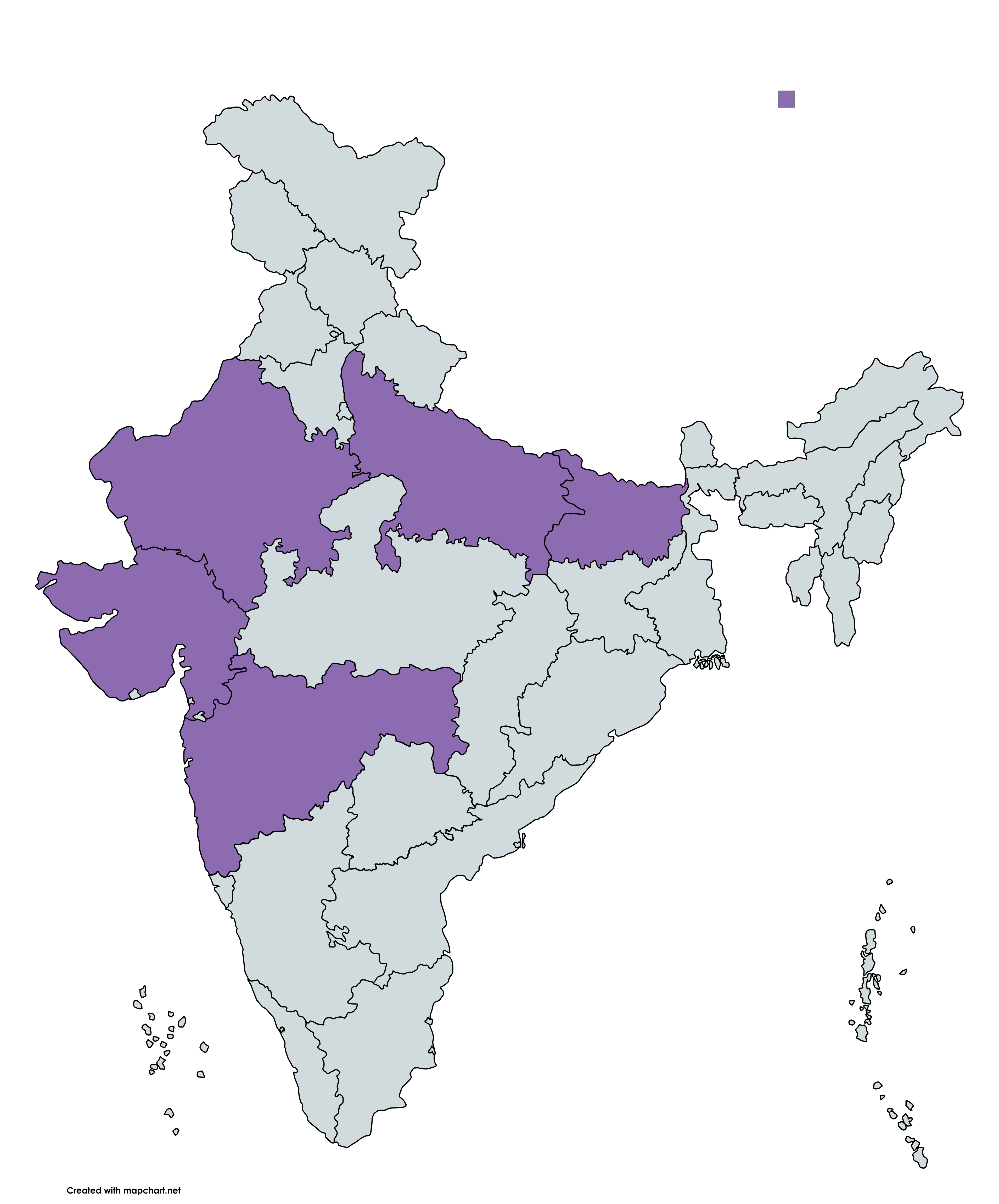
Map showing Saath's presence

Our Presence

From the bustling streets of urban India to the underserved pockets of rural communities, Saath Charitable Trust has built a strong presence across multiple states, with a deep-rooted foundation in Ahmedabad, Gujarat.

Over the past three decades, Saath’s work has expanded from a single slum in Ahmedabad to a broad network of interventions across Gujarat, Rajasthan, Maharashtra, Uttar Pradesh, and Bihar—impacting lives in both metropolitan cities and remote villages.

  • Urban Resource Centres in slum communities
  • Skill development centers for youth and women
  • Community-based health and financial inclusion projects
  • Digital empowerment and livelihood initiatives across states

Through a decentralized and participatory approach, we ensure that each region’s unique social, cultural, and economic context is respected and integrated into program design. Whether we work in urban settlements or tribal belts, our focus remains the same: empowering people, building dignity, and creating pathways to self-reliance.

Our Story

Saath Charitable Trust was founded in 1989 in Ahmedabad, when a group of passionate individuals came together to address the stark inequalities in urban slums and neglected communities. Their shared belief was simple yet powerful — that development must include everyone, especially those most often left behind. Inspired by the idea that real change starts at the grassroots, Saath was created as a platform to work with communities, not just for them.

The early 1990s marked a period of rapid urbanization and economic growth in India. But while cities expanded and markets flourished, thousands of families were left without access to basic services — healthcare, education, clean housing, and livelihoods. Saath recognized this gap and stepped in to bridge it, adopting a model that integrates multiple services for holistic community development.

With time, Saath evolved into a dynamic and deeply rooted social institution. What began as a small initiative grew into a movement — reaching slum dwellers, street vendors, migrant families, youth, women, children, and marginalized workers across Gujarat and other parts of India. Our work has always focused on dignity, inclusion, and opportunity.

The journey hasn’t been easy. We have often chosen the unconventional path — designing people-first programs, co-creating solutions with communities, applying professional management principles to development, and pioneering the concept of civic-driven change. But each challenge has only strengthened our resolve.

Today, Saath stands as a testimony to the power of partnership — between people, purpose, and progress.

The SAATH Journey: A Legacy of Impact

1989

Saath Established

  • Saath established as a Public Trust.
  • ISDP conceptualized - the community of Behrampura approached to initiate activity with youth to guide them towards creating a more inclusive society and productive quality of life.
  • Activities were initiated to provide youth a forum to come together to communicate and to identify the problems existing in the settlement.
  • Conducted Social Animators course for slum youth.
1990

Community Leadership Building

  • Linkages between local TB hospital and AMC for identification and treatment of TB patients.
  • AMC’s subsidy scheme - 80:20 toilet construction implemented in Behrampura through resolving loans.
  • Local community leadership was established for program planning and management.
  • First CBO - Ekta Yuvak Mandal (EYM) registered & savings groups started.
1991-1992

Health & Education, Vocational Training

  • Expansion of ISDP in Pravinnagar & Guptanagar areas of Vasna with the help of EYM.
  • Health & education activities initiated after community consultations, group meetings and surveys.
  • Community Health program started in which TB reduction activity, mother and childcare and outpatient dispensary was carried out.
  • A pre-school, sewing classes & electrician course started.
1993-1994

The Riots

  • Women from the area were selected as health workers and teachers for implementation of the program in the community.
  • 2296 households covered during Ayodhya - Babri riots.
  • Rehabilitation & Resettlement work in Ahmedabad and affected areas.
  • Food supply and medicine distribution.
1995

Slum Networking Project

  • Slum Networking Project (SNP) initiated by SAATH, AMC & Sharda Trust.
  • SNP pilot conducted in Sanjaynagar.
  • CBO members got the opportunity to impart skills among the community and to establish linkages with referral hospital.
  • Capacity building of local community associations.
1996

Sakhi Mahila Mandal

  • Sakhi Mahila Mandal registered which led to savings and credit activities.
  • Women from different castes and religions were members of this group.
1997-2000

Consolidation of ISDP

  • Conscious efforts started to develop a market-based approach.
  • Completion of SNP in Gujarat.
  • Formalization of activities into various sectors and programs.
  • ISDP as a replicable model was successfully implemented in the field.
  • Setting up of the Research and Documentation Cell.
  • Citywide expansion of SNP began.
  • Livelihood activities expanded to include vegetable sorting & job work for sewing.
2001

The Earthquake

  • CBO members actively involved in relief work during the earthquake in Kutch.
  • Saath covered 2204 households of 17 villages of Khadir and Rapar during earthquake.
  • After rapid assessment, local groups were formed and were given training for relief work.
  • Success of Slum Electrification pilot program.
2002

Communal Riots & Saath's Stand

  • Participated in relief and rehabilitation work during communal riots across the city.
  • Worked with riot-affected slum pockets for overall development and conflict resolution of vulnerable groups.
  • In coordination with CBOs, participated in Gujarat Harmony Project for reconstruction of houses.
  • Saath partnered with CBOs for undertaking research for the formulation of the draft Gujarat State Urban Slum Policy & participatory poverty assessments.
  • Facilitated the registration of Sankalp Mitra Mandal - CBO in Sankalitnagar, Juhapura.
2003

Building Credibility and Scale Up

  • Slum electrification was scaled up in Juhapura area covering 5000 households and subsequently across Ahmedabad.
  • Partnered with Handicap International for participatory assessment of disabled persons in various towns of Gujarat.
  • Saath’s governance, financial and management systems are in compliance with global norms laid down by Credibility Alliance and Give Foundation.
  • In a rating of 1342 NGOs by the Planning Commission of India, Saath stood 281st in India and 7th among 50 in Gujarat.
  • Towards better governance, gender, personnel, monitoring and evaluation policies were set up.
2004

Geographic Expansion

  • RCH Jeevandaan (Mother & Child Care Program) was initiated in partnership with AMC and Counterpart International.
  • AMC & SAATH collaborated for running 191 Anganwadis managed & monitored by SMM in 25 wards.
  • Conceptualization of Urmila Home Manager Program.
2005-2006

Livelihood Focus

  • Formulation and documentation of Saath’s Vision for the next ten years.
  • Initiation of Ek Mouka Udaan Project in Ahmedabad with AMC.
  • In coordination with Sankalp CBO, Saath negotiated with AUDA to provide basic infrastructure & services in Sanklitnagar.
  • Urmila Home Manager Program implemented.
  • The Snehal Project started to support artisans in Surendranagar, funded by CARE and in partnership with NIFT in 25 villages.
  • Natural Resources Management with rural communities in Rajkot district.
2007

Institutional Expansion & Recognition

  • Registration of Saath Livelihoods Services - Section 25 company.
  • Ek Mouka Udaan, renamed Umeed with GUDM support and expanded to Gujarat to 8 districts through 55 centres.
  • 4 URCs started in Ahmedabad.
2008

SUVAS

  • SUVAS – Surendranagar Vankar Samiti registered as a Federation of over 2000 poor Patola, Tangaliya, and cotton weavers.
  • Umeed expanded to Rajasthan with the support of Rajasthan Mission of Livelihoods.
  • Partnered with IIM and AMC to develop Public Private Partnership Model for Managing Urban Health in Ahmedabad City.
  • Child Rights for Change program was started in 120 villages of Dholka and Viramgam with the support of Save the Children, funded by IKEA.
2009-2010

Consolidation of ISDP

  • Launched Griha Pravesh, a program started to facilitate purchase of affordable houses.
  • Rweaves brand created to promote Patola and Tangaliya artisans’ work.
  • Merger of Cooperatives into the Saath Savings and Credit Cooperative Ltd.
2011-2012

Nirman – Skill Building Program

  • Nirman – skill building program for construction workers launched.
2013-2014

Youth Force Program

  • Launched the Youth Force Program covering Ahmedabad, Vadodara, Surat, Rajkot in Gujarat and Mumbai.
  • URC launched in Rajkot with RMC.
  • Housing Rights and Governance initiative in Gujarat.
2015-2016

Advancing Impact and Recognition

  • Received India NGO Award.
  • Awarded Guide Star Platinum Transparency Award.
  • Awarded HUDCO Award.
  • Launched Business Gym, Women@Work, and Salon I programs.
2017-18

Strengthening Credibility and Learning

  • Received Certificate of Appreciation under HUDCO Award.
  • Awarded Leadership Award (2018-19) from Gujarat CSR and Inspire Award (2018-19).
  • Conducted SROI Analysis of Saath interventions.
2019

Innovations Rooted in Community

  • Initiated Rweaves – A studio for Rural Art Weavers in Ahmedabad.
  • Inaugurated Mehnat Manzil (Museum of Work) in collaboration with Conflictorium.
  • Launched the book "SMART CITIES – BREAKING THE POVERTY BARRIER" by Mr. Rajendra Joshi.
2020-21

Resilience and Community Response

  • Distributed 8000+ ration kits to families affected by the COVID-19 lockdown.
  • Distributed free reusable sanitary pad kits to 12000+ school girls in collaboration with TGB Charity and Unipads.
  • Initiated a Community Led Intervention for COVID-19 Response under UNICEF.
  • Launched SAMAGRA Project in collaboration with USAID and PSI.
  • Partnered with ElderAid to provide end-to-end services for senior citizens in Ahmedabad.
  • Strengthened Business Gym programme to build the resilience of nano-preneurs.
2021-25

Resilience, Recognition and Rural Development

  • Supported 131 fishermen from Navlakhi Port after Cyclone Biparjoy with fishing nets, boat repairs, and assistance in accessing entitlements.
  • Secured membership with the Give Foundation and received a Certificate of Accreditation for Good Governance from the Credibility Alliance, valid until 7th October 2026.
  • Recognized by the Indian Council of Medical Research (ICMR) for conducting health camps to assess lead toxicity in Gujarat's industrial areas.
  • Initiated Integrated Area Development in 6 wards with 27,000 households in East Ahmedabad.
  • Launched the Model Village Mission to advance holistic development of rural communities across villages in Sanand and Vaghra.
  • Initiated integrated rural development to build empowered societies, positioning women and children as catalysts of change across villages in Nadiad and Mehmedabad.

Board of Trustees

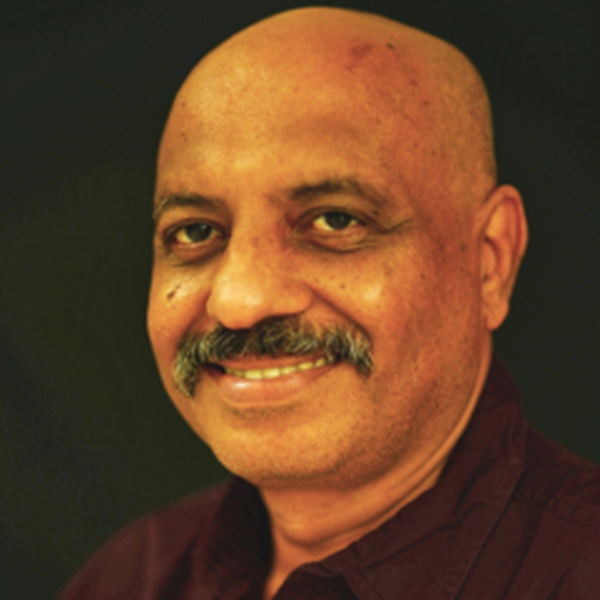
Rajendra Joshi
Rajendra Joshi

Founder and Managing Trustee, SAATH

With over 37 years of experience working with underserved communities across urban and rural India, he has led pioneering initiatives in slum development and sustainable livelihoods, impacting over 10 lakh individuals. His work focuses on building integrated, community-led solutions across livelihoods, education, healthcare, climate resilience, and financial inclusion. An Ashoka Fellow and recipient of the Schwab Social Entrepreneur Award, his work focuses on building dignified and inclusive pathways for the poor communities and contributing to thriving, resilient communities.

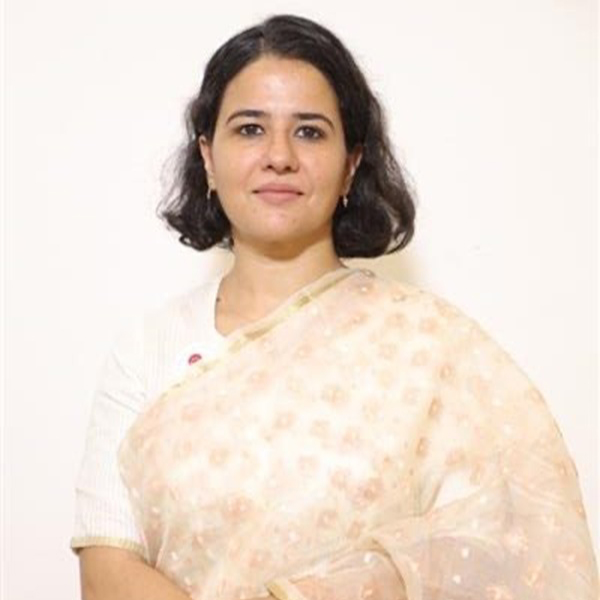
Keren Nazareth
Keren Nazareth

Trustee, SAATH

Senior Director, Companion Animals & Engagement at Humane World for Animals India, where she has been associated since 2011. She has led large teams and programs focused on humane and scientific dog population management and community engagement, supporting initiatives across India, Asia, and Africa. She brings over 15 years of experience in development practice, with work spanning community mobilization, youth development, livelihoods, and social inclusion, including pioneering efforts in non-traditional livelihoods for women and rural artisan market platforms. Keren holds a Master's degree in Social Work from the Tata Institute of Social Sciences, Mumbai, and is an Aspen Institute Fellow (Emerging Leaders in Development) as well as an alumna of the Leadership Academy (Janvikas) and the American Express Leadership Program.

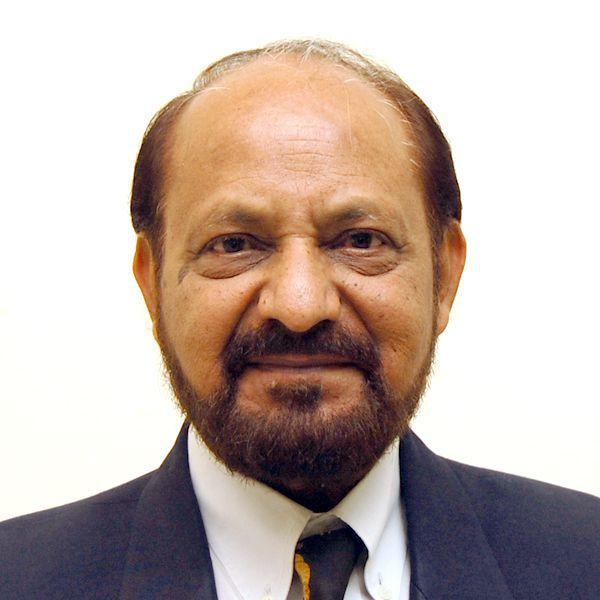
Prof. Dinesh Awasthi

Chairperson, SAATH

An economist by training, he brings over four decades of experience in academia, research, and policy advisory in the areas of entrepreneurship development, small and medium enterprises (SMEs), and economic development. He currently serves as Vice Chancellor of L. J. University, Ahmedabad, and has previously held leadership roles at the Indian Institute of Management Lucknow and the Entrepreneurship Development Institute of India (EDI), Ahmedabad. He has authored over 60 research papers, eight books, and numerous research reports, and has served on several government and institutional committees. His work with international organizations such as ILO, UNIDO, and UNDP reflects his contribution to advancing entrepreneurship and development at both national and global levels.

Dr. Pallavi Vyas
Dr. Pallavi Vyas

Trustee, SAATH

Pallavi brings extensive experience spanning academia and consulting. She is currently an Associate Professor at BITS School of Management (BITSoM), where she teaches economics. Prior to this, she served as an Associate Professor at Ahmedabad University. She has also worked as a consultant with the World Bank, contributing to projects on poverty measurement, labour and health economics and governance. Pallavi holds a Ph.D. in Public Policy from the University of Chicago. Her current research focuses on labour economics, public health, human capital, and gender.